
What Guests Will Expect in 2026 — And How Hosts Can Stay Ahead
BY MIKEL HUBBARD
FORMER HGTV PRODUCER | CO-FOUNDER, THE HOST CO |
OWNER, TIMES EIGHT PROPERTY & DESIGN

Guests aren’t just booking “a place to sleep” anymore. They’re booking a set of experiences – and increasingly, they’re using AI, event calendars, and amenity filters to decide where to stay.
Looking ahead to 2026, a few patterns are crystal clear:
Stays are becoming more experience-driven and immersive, not just transactional.
Travelers are layering events, work, and leisure into a single trip.
A growing share are using AI tools to plan – and those tools index what you advertise: your amenities, keywords, and experiences.
For hosts, that means two things:
Your listing and website need to clearly tell the story of what guests can actually do at your property.
You need a clean way to sell those experiences – not just give them away in your time and labor.
Below are five trends to watch – and how to turn each one into concrete offers in your store.
1. Experience-Driven Stays (Not Just “Nicer Houses”)
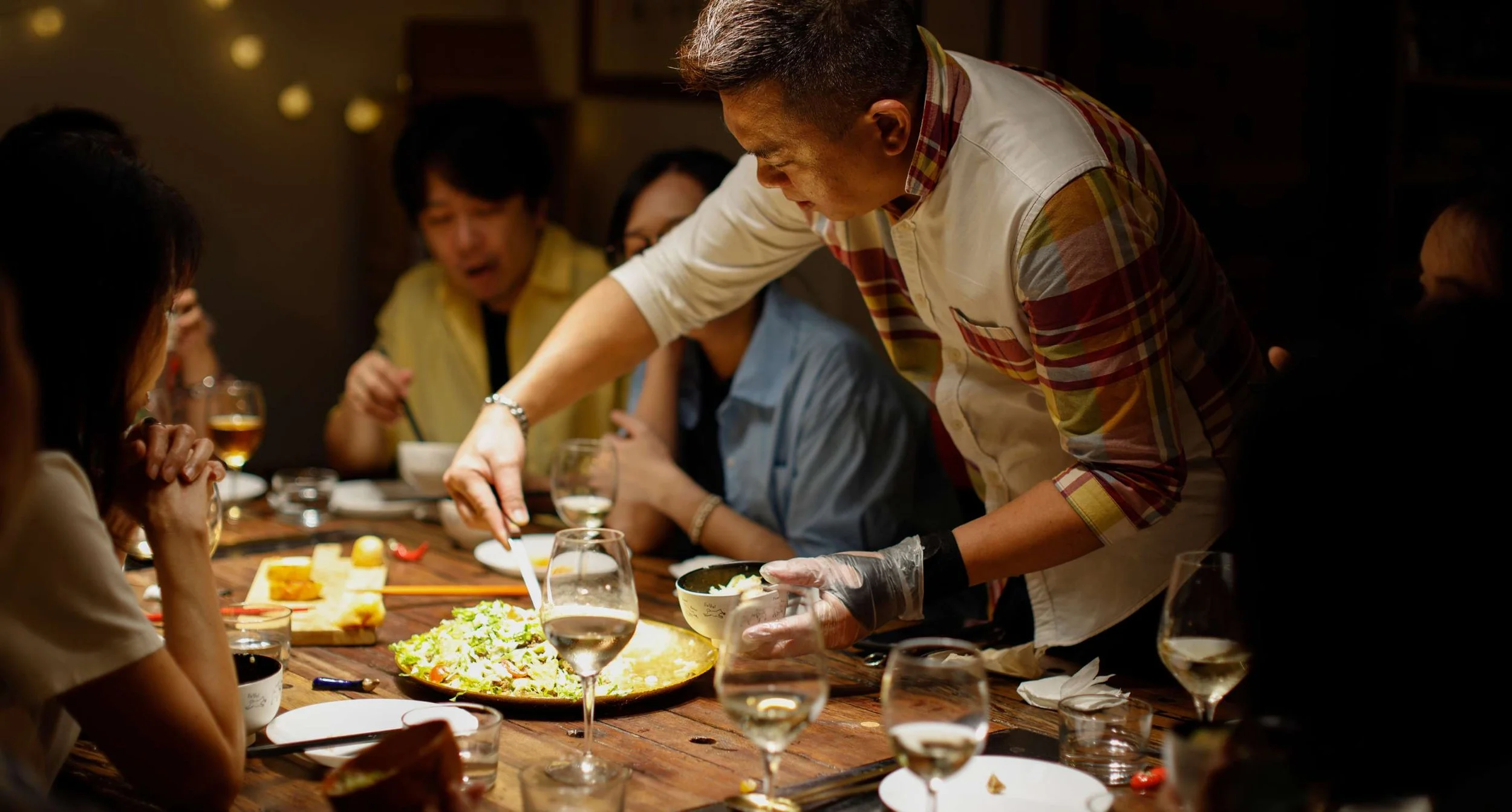
Private chef? Spa weekend? We’re so in.
Across hotels and vacation rentals, travelers in 2025–2026 are leaning hard into immersive, experience-driven stays, with a preference for meaningful activities over generic sightseeing.
People aren’t asking “Is there a 2-bed/2-bath with a kitchen?” They’re asking:
“Can we have a private chef night?”
“Is there a spa-style setup or wellness option?”
“Can we turn this into a girls’ weekend or family celebration hub?”
Why it matters for hosts
If your listing description only talks about the house – number of beds, distance to downtown – you’re invisible in this new landscape. That’s especially true as AI trip planners pull in properties that sound like experiences, not just inventory.
How to respond
Tighten the story in your listing and on your site:
Name the experiences plainly: “Romance package,” “Family game night bundle,” “Girls’ weekend spa setup,” “Local wine tasting at home.”
Use your description to connect the dots: “Book our in-home massage add-on,” “Pre-stocked fridge for your arrival,” “S’mores and fire pit kit waiting when you arrive.”
Turn those into sellable line items, not vague gestures:
In your Host Co store, that might look like:
Private chef dinner for 2–6 guests
At-home massage or Reiki session
Romance setup (flowers, dessert, candles, wine or NA pairings)
“First night sorted” grocery pack (breakfast + snacks)
Spa station (robes, masks, bath salts, candles, tea)
The trend is simple: guests are willing to pay for the feeling of “trip handled.” You just need to name it, package it, and give them a clean way to buy.
2. AI-Shaped Travel Planning (And What That Means for Your Wording)
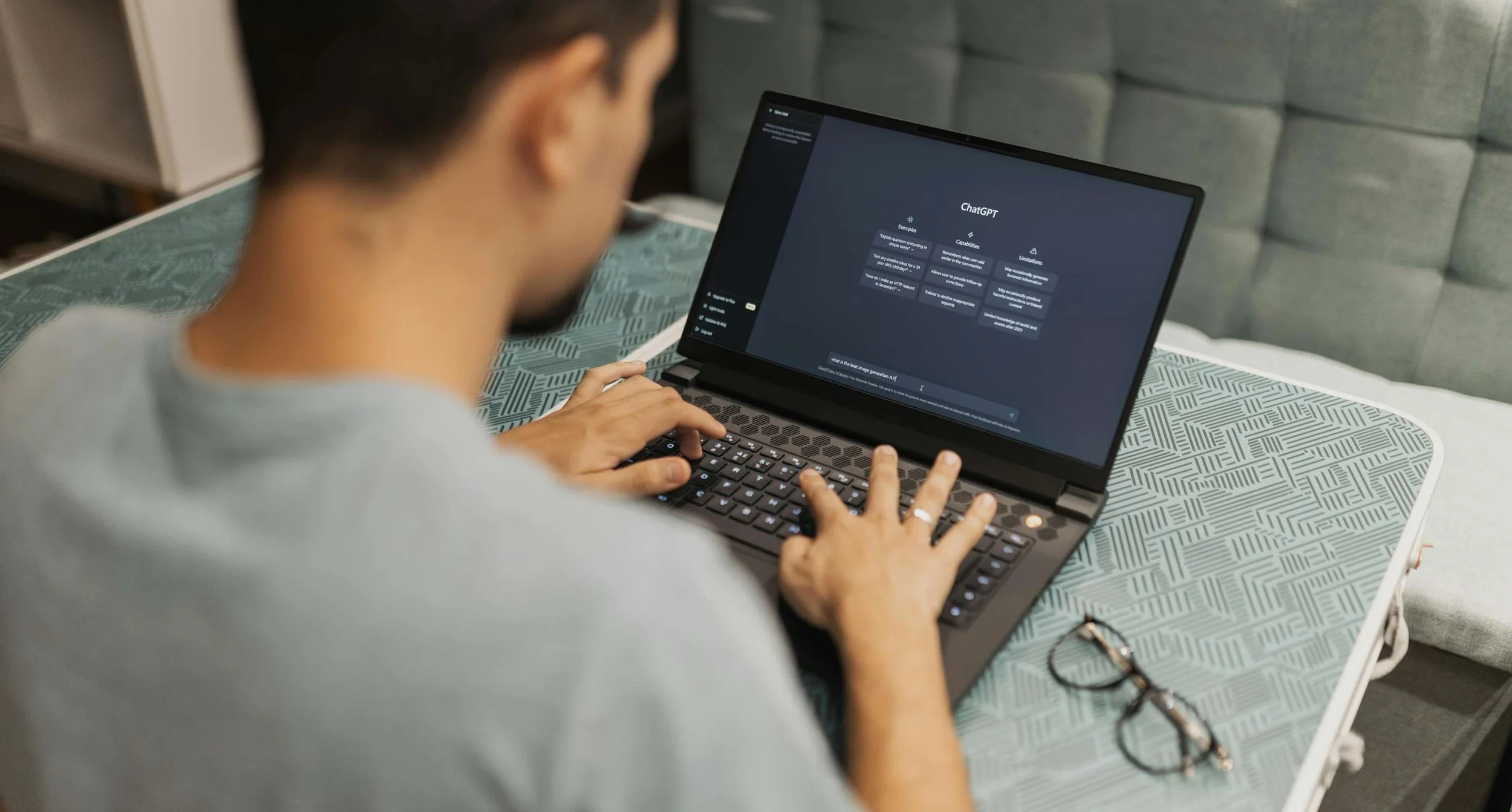
Your listing needs to show up on AI search now.
AI is no longer a novelty in trip planning. Recent surveys show:
Over 40% of travelers globally are already using AI tools to plan trips, with more than 60% open to doing so.
Usage more than doubled from 11% to 24% in under a year among experienced travelers.
Nearly one in five young adults in markets like the UK are using AI to design holidays.
People are typing things like:
“Find me a cabin with a hot tub, strong wifi, pet-friendly, and an in-home massage option.”
AI surfaces whatever is clearly described and structured online. If you want to show up in those results, you can’t bury your best features in one vague sentence.
Why it matters for hosts
AI trip planners don’t “feel” your property. They pattern-match:
Amenities
Keywords
Proximity to events
Clear, structured offerings
If your experiences and services live only in your head or hidden in a wall of text, they may as well not exist.
How to respond
Clean up your language and structure:
Use plain, searchable phrases: “hot tub,” “EV charger,” “dedicated workspace,” “at-home massage,” “private chef,” “airport pickup.”
Make sure these show up in your:
Airbnb amenities list
Direct booking site
Host Co store categories and product names
Connect to a clear action:
If you’re using The Host Co’s embed feature to put your store in your website, make your direct booking page say something like:
“Plan your stay: book add-ons like early check-in, private chef, and in-home massage directly below.”
You’re not gaming the algorithm – you’re making it unambiguous what a stay with you includes and how guests can buy it.
3. The Amenities Arms Race: From “Nice to Have” to “Priced and Packaged”
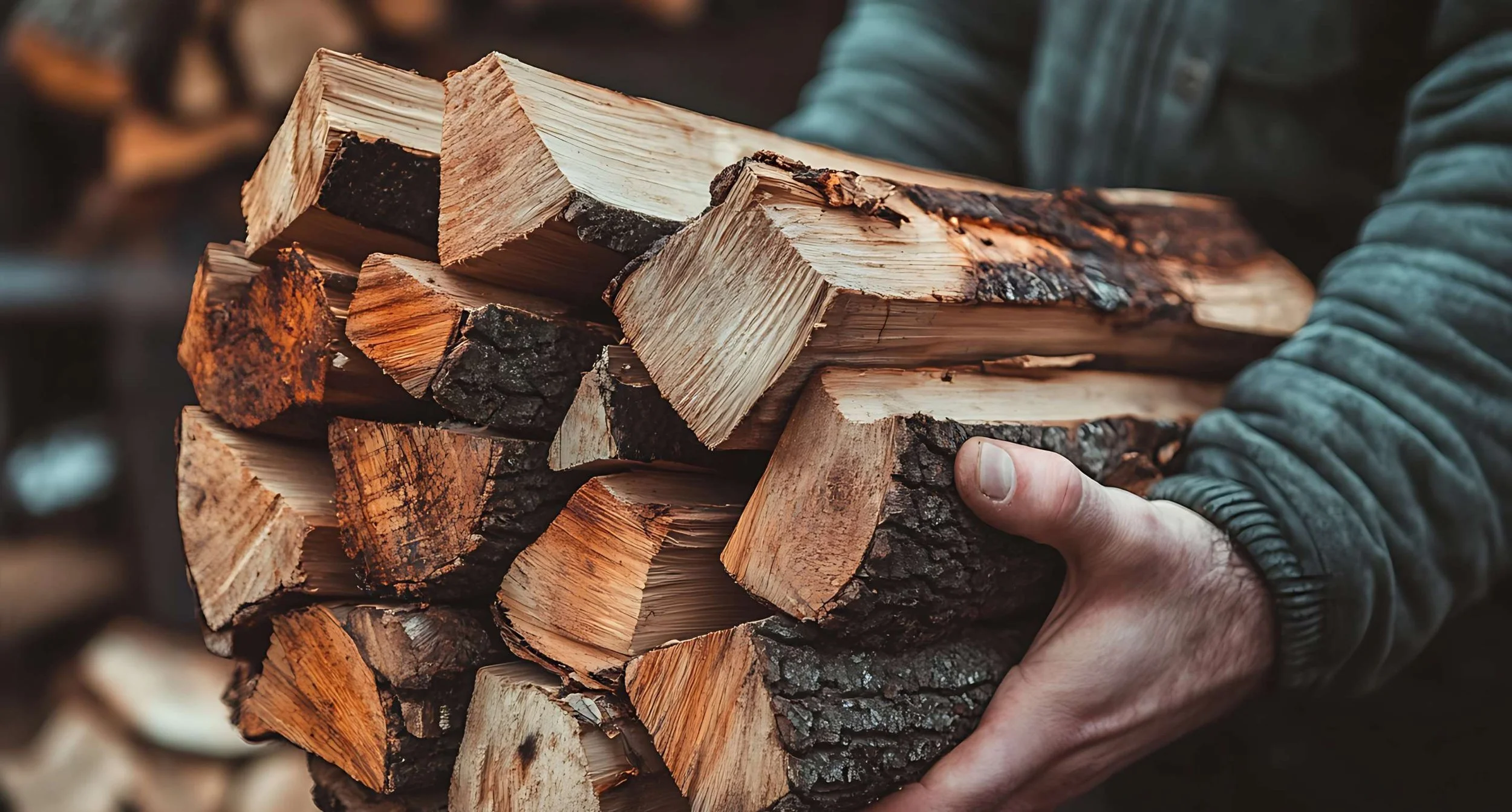
Extra firewood. Late check-out. These are expected offerings in 2026.
Data from STR and Airbnb analytics is blunt:
Fast, reliable wifi and dedicated workspaces remain top booking drivers and are non-negotiable for many guests.
Hot tubs, pools, and fire pits can increase nightly rates and RevPAR significantly, especially in mountain and rural markets.
EV chargers and pet-friendly policies are increasingly important filters; they widen your audience and boost review likelihood.
But the hidden piece is this:
Hosts and property managers are quietly doing a ton of unpaid work around these amenities:
Handling lost keys
Restocking basics outside of normal cycles
Running errands for guests
Lending gear “just this once”
Doing mid-stay refreshes because guests ask nicely
Why it matters for hosts
You don’t win anything by pretending your time is free.
And guests don’t see “lost key, extra trip, late-night errand” when they’re scanning your nightly rate. They just see whether you solve their problem or not.
How to respond
You’ve got two levers:
Core amenities that should simply be present and visible
Fast wifi
Solid workspace setup
Clear pet policy
Outdoor comforts that match your market
Amenity-adjacent services you should be charging for
Concrete store ideas tied to this trend:
Lost key fee (priced, clear, non-emotional)
Early check-in / late check-out windows
Mid-stay clean (especially for longer stays or families)
Grocery or essentials restock (per run or per bundle)
Gear rental (kayaks, bikes, paddle boards, baby gear, coolers)
Firewood / s’mores kits instead of “there might be wood in the shed”
You’re not nickel-and-diming; you’re turning ad-hoc favors into defined, bookable services.
4. Event-Driven Travel: Building Around Moments, Not Just Dates

Taylor Swift concert? World Cup? St. Patrick’s Day? Guests are traveling for events, and expect your amenities to match.
Event-based travel is exploding:
Travel reports highlight concerts, festivals, and sports tournaments as primary reasons people choose certain destinations – Taylor Swift’s tour and global tournaments are recurring examples.
Event tourism is particularly strong among Millennials and Gen Z, who are traveling specifically for big shows and games.
Hotels and cities see measurable rate and occupancy spikes tied to local events, and are refining their event-based revenue strategies accordingly.
Short-term rentals ride the same wave – often with more flexibility and better locations.
Why it matters for hosts
If there’s:
A major festival
A race or marathon
A regional sports tournament
A once-a-year cultural event
A big concert nearby
…your place is no longer “just a stay.” It’s home base for the event.
Guests want:
Early arrival so they’re not rushing from the airport to the venue
Late check-out the morning after
Transport, snacks, something cold in the fridge
A way to not think about logistics
How to respond
Pick the 2–3 biggest events that affect your market each year and build simple, clearly named bundles in your store:
“Concert night package”
Early check-in
Late check-out
Pre-stocked snacks and drinks
Rideshare credit or local driver contact
“Race weekend kit”
Carb-friendly groceries
Electrolytes and snacks
Late check-out / shower access after the race
Ice / recovery tools
“Game day basecamp”
Cooler, chairs, and tailgate gear rental
Grill essentials
Late check-out
Then update your listing and site copy seasonally:
“In town for the Super Bowl? Check out our Game Day Basecamp add-on in the store below.”
You’re aligning your revenue with the way people actually travel now – around events, not just dates on a calendar.
READ MORE: THIS HOST MAKES $12K+ ANNUALLY BY USING THE HOST CO
5. Workations and Longer Stays: Serving People Who Live Out of Your Listing

Hello, workation. So I can Zoom call with a nicer background.
Work + travel isn’t going away:
European travelers expect more international and domestic “workation” trips in 2025, with about one in four planning at least one combined work-and-play trip.
“Bleisure” travel – extending work travel for personal time – remains a major pattern globally.
These guests behave differently:
They stay longer.
They care more about practicality: desk setup, quiet, laundry, food.
They settle into routines – and they’re often willing to pay to keep those routines frictionless.
Why it matters for hosts
If you can become “the easy choice” for someone working remotely or extending a business trip, you’re not just filling a random weekend – you’re securing high-value, repeatable bookings.
How to respond
Beyond the obvious (fast wifi, proper chair, real desk), think in terms of weekly rhythms:
Offer store items like:
Weekly or bi-weekly cleaning service
Fresh linens and towel refresh
Grocery re-stock packages (breakfast, healthy snacks, coffee / tea)
Printer / office supply bundle (if relevant)
Local coworking day pass (partner with a space if available)
And reflect it in your copy:
“Staying a week or more? Add housekeeping and grocery restocks directly from our store so you can focus on work, not logistics.”
Longer stays amplify small annoyances – but they also amplify the value of smooth systems. That’s what you’re selling.
The Big Picture

Spa weekends are in.
If you zoom out, all of these trends point in the same direction:
Guests want less friction and more intention.
They’re planning around experiences, not just accommodations.
They’re increasingly using AI, filters, and event calendars to narrow choices.
For hosts, the opportunity is straightforward:
Say clearly what you offer – in your listing, on your direct booking site, and in your Host Co store.
Package what you’re already doing – lost keys, early check-in, mid-stay cleans, grocery runs – into bookable line items.
Align a few key offers with real demand spikes – seasonal events, workations, and experience-seeking guests.
From there, tools like your embedded Host Co store let you make all of this feel native to your brand – guests stay on your site, browse your offerings, and build the stay they actually want.
READ MORE: THIS HOST DOUBLED THEIR REVENUE VIA THEIR HOST CO STORE
Ready to put these trends to work?
If you want to package your experiences, sell add-ons without the back-and-forth, and make your direct booking site actually work for you, The Host Co is built for exactly this.
Create a shoppable store in minutes
Offer everything from early check-in to private chefs
Automate payments, scheduling, and guest communication
Embed your store directly on your website so it feels like part of your brand
Add services from vetted local partners or your own offerings
Earn more per stay without adding more to your workload
Whether guests are booking around concerts, planning a workation, or asking AI where to go next — you’ll be ready.
Start your store today: